
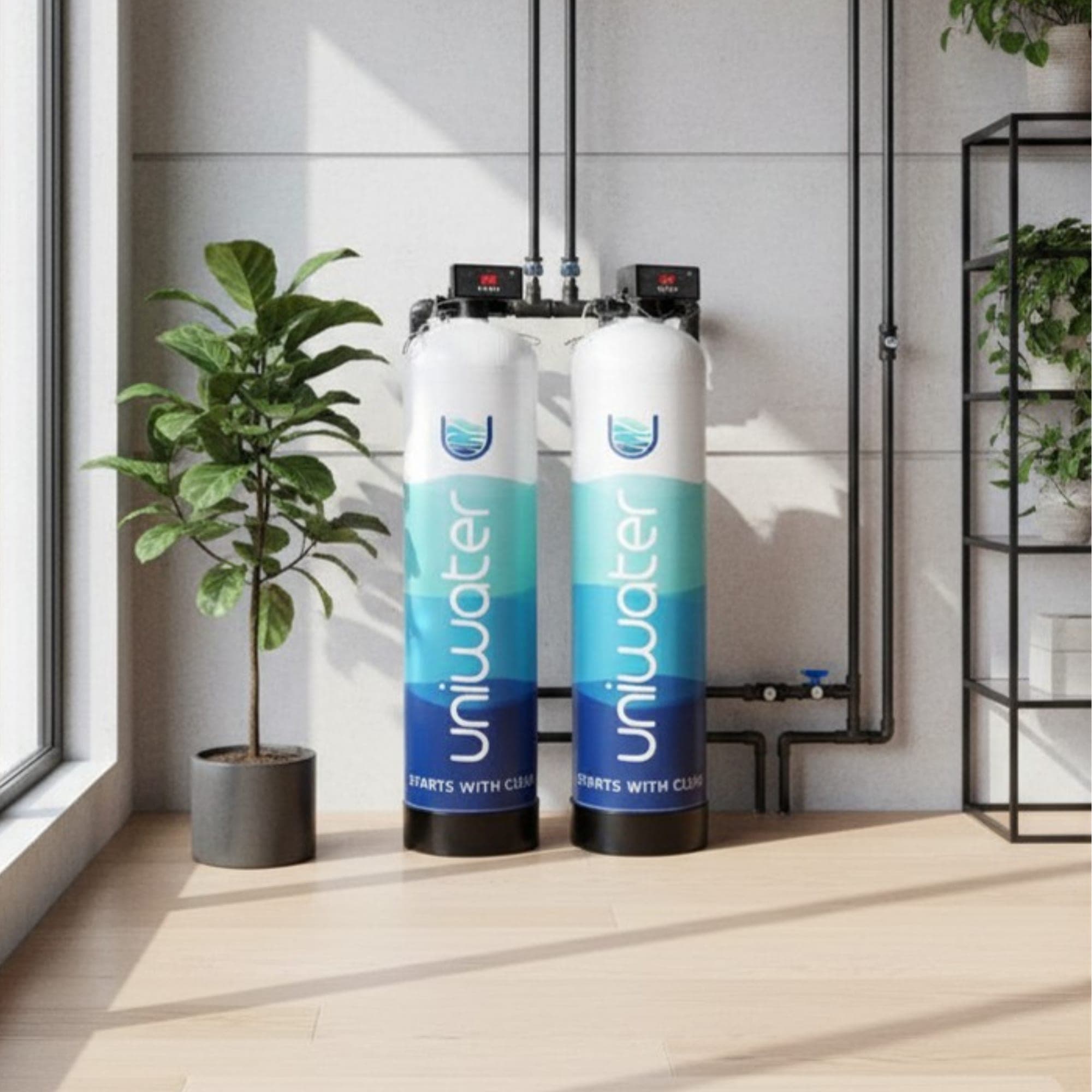
Iron removal filter
Iron is the stain you can see and the taste you can’t ignore — and it has to come out before anything else does.
The problem this solves
What changes when the water is right.
Dissolved iron looks clear at the tap, then turns water yellow or orange the moment it meets air — staining basins, tiles, and white laundry.
Iron fouls softening resin and clogs RO membranes. Left untreated upstream, it shortens the life of everything after it.
Borewell-fed homes carry iron more often than the municipal record suggests. Treat it first, or rebuild the softener inside a year.
An iron filter is a media bed, not a cartridge. Sized to the iron load and backwashed on cycle, it runs for years.

How we solve it
Sized to the water, the house, and the people in it.
Chemistry
decides the media.
Household
decides the capacity.
Architecture
decides where it goes.
Engineered, not bought off a shelf.
What’s included
Everything to put it in. Everything to keep it running.

Media vessel
FRP / SS316 vessel sized to duty cycle. Media chosen at survey.

Backwash valve + drain
Manual or automatic backwash. Drain sized so regeneration never backs up.

Installation
Plumbing, electrical, mounting, commissioning. Documented before handover.

Water analysis
Pre + post-install parameter readings. Repeated on every visit.

One-year warranty
All system components covered. Replacement, not repair-by-letter.

One-year AMC
Monthly visit. Media check, backwash verify, downstream parameter test.

Where it goes
Upstream of everything else.
Iron, sediment, and chlorine are pretreatment stages. They protect downstream resin, membranes, and softening media — or those systems fail faster.
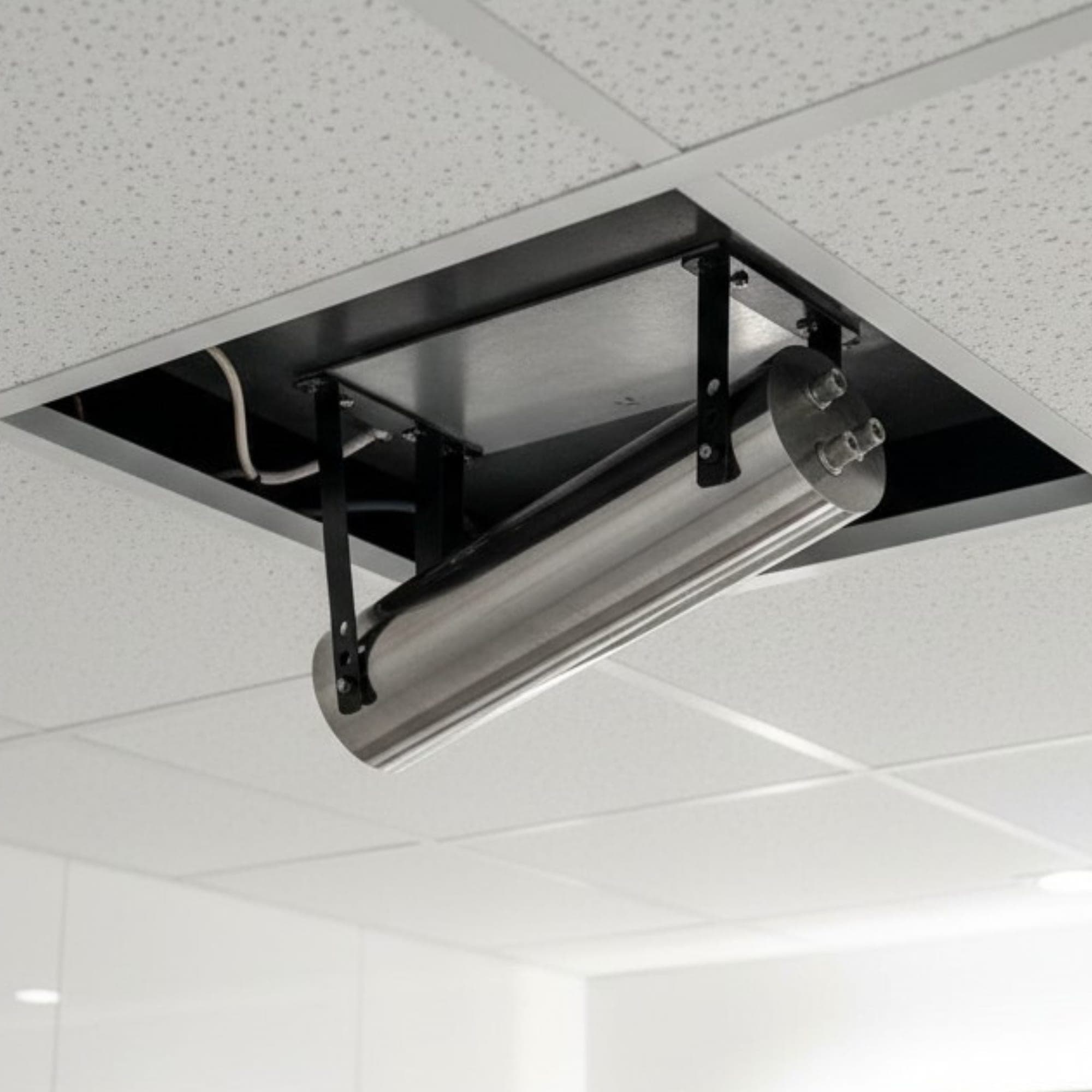
Inlet
Treats every tap from a single point.
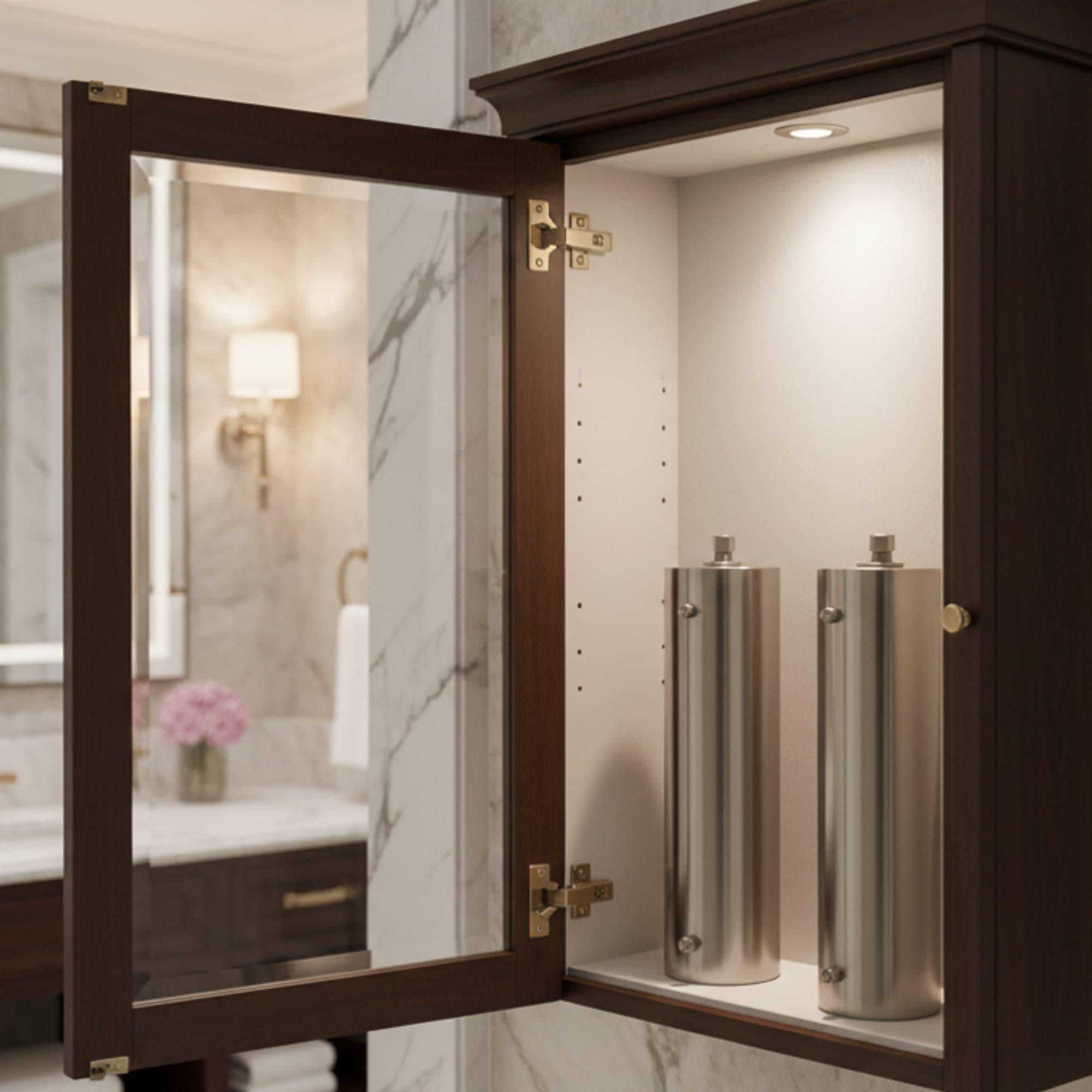
Pre-softener
Sits ahead of softening resin to prevent fouling.

Pre-RO
Sits ahead of RO membranes to prevent rapid clogging.
Configurations
Three or four sizes. Decided by load, not by SKU.
We don’t expose part numbers. The configuration is decided at survey based on bathroom count, household draw, and water chemistry.
Single-point
Bathroom or single line
One iron-removal vessel at the bathroom feed or a single line. Manual backwash.
Whole-house
2,000 — 4,000 LPH
Iron pre-treatment ahead of the HomeSoft train, so iron never reaches the softening resin. Automatic backwash on larger loads.
Heavy iron
Iron above 3 ppm
Oxidation plus media for high-iron borewells. Sized at survey to the measured load.

Technical specifications
For the architect, plumber, or engineer.
Surface what matters; collapse what doesn’t. Open the rows below for the engineering detail.
Components from
Capacity & sizing
- Capacity range
- 500 — 6,000 LPH (sized per bathroom or whole-house)
- Service flow
- Sized to peak household draw
- Backwash flow
- 1.5× service flow
Materials & media
- Vessel
- FRP / SS316 (Plastic or Stainless Steel)
- Media
- Per-solution — selected at survey
- Internal piping
- CPVC / SS316
Controls & regeneration
- Mode
- Manual or Automatic
- Regeneration
- Timer-based or volumetric on Automatic models
- Indicators
- Pressure gauges; flow indicator on Automatic models
Installation requirements
- Inlet pressure
- 1.5 — 4.5 kg/cm²
- Power
- 230V AC for Automatic models; none for Manual
- Drain
- Adjacent to install location
- Space
- Sized per configuration; see install diagram
Take the spec to your architect.
A 2-page PDF data sheet with capacities, materials, dimensions, and the install diagram.

Frequently asked
What homeowners ask before they book.
Why does my water turn yellow / orange after standing?
Does a water softener remove iron?
Iron remover vs water softener — which do I need?
How often does the system need servicing?
Do I need to know my TDS or hardness before booking a survey?
How long does installation take?
What if my supply chemistry changes over the years?
Can I see what the system would cost before the survey?
Is the AMC included? What does it cover?
Real installs
Where these systems are running today.
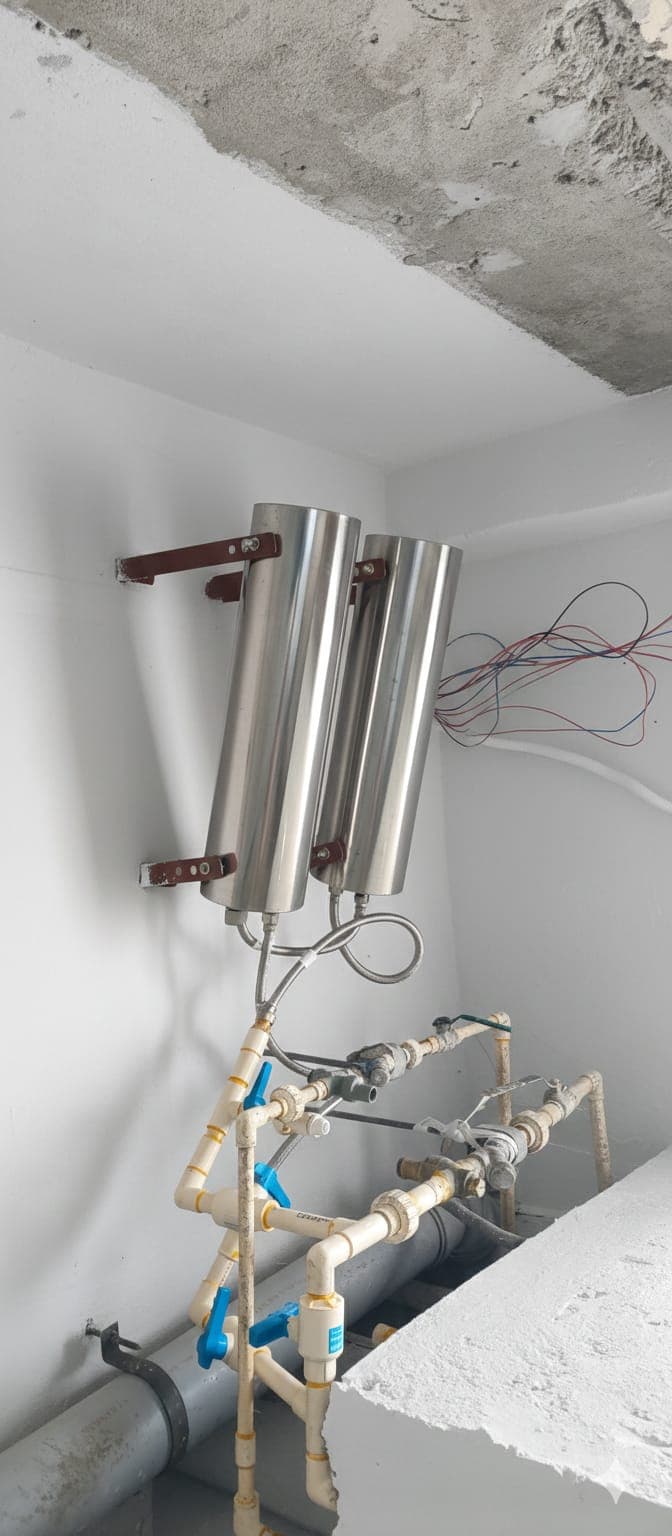
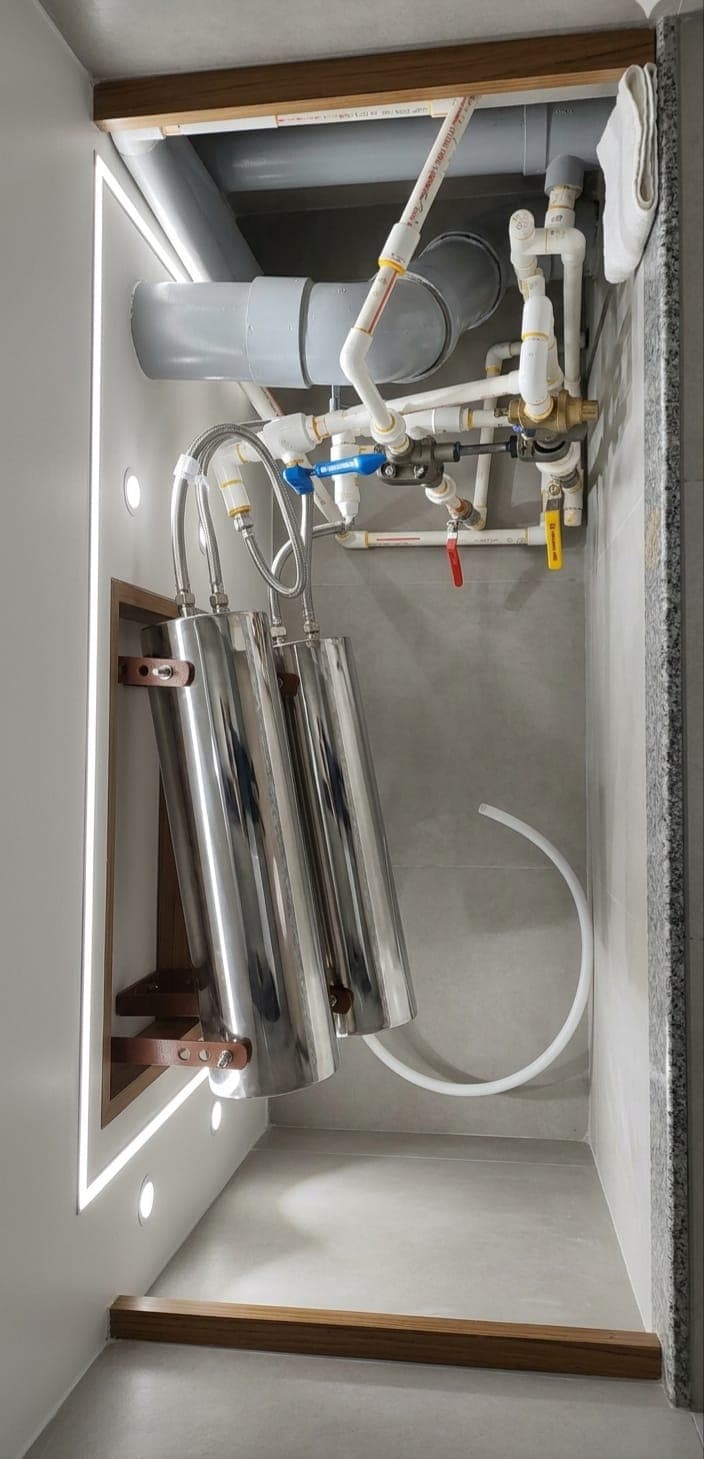
3-BHK, Salt Lake, Kolkata. Borewell with iron and hardness.
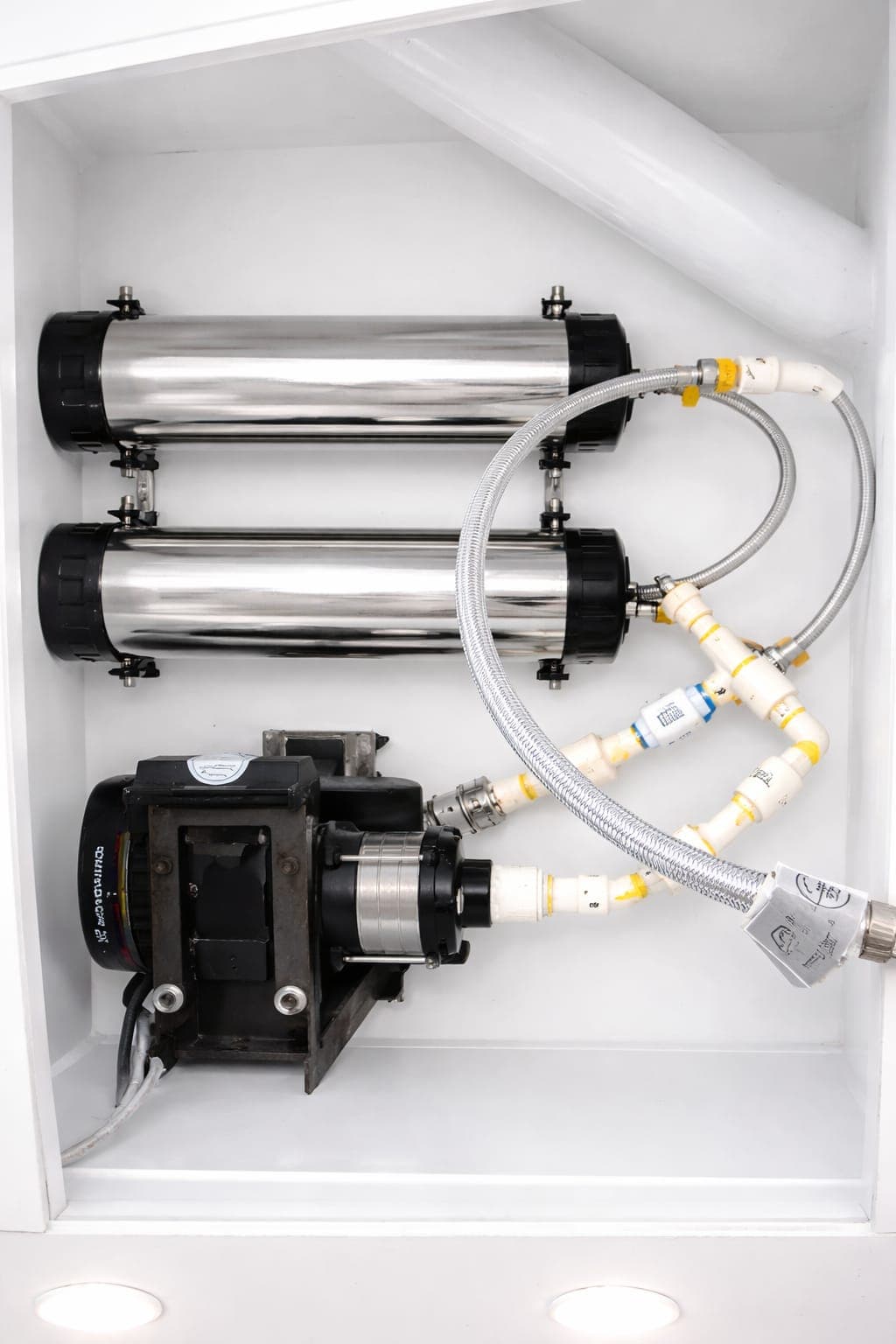
5-BHK villa, Patia, Bhubaneswar. Mixed municipal supply.
Boutique hotel, Siliguri. 16 rooms.
Related reading
The thinking behind this system.
Pieces from the Journal that cover the chemistry, the decision, and the practice this solution rests on.
Why your borewell water is yellow — and what to do about it
The orange ring under the basin, the metallic taste in your chai. Iron in borewell water — what it is, why it shows up, what actually fixes it.
Iron, hardness, and the order they should be treated in
Iron, calcium-magnesium, particulate. Treating them in the wrong order rebuilds the softener inside a year. The right order, explained.
How to read a water test report
TDS, hardness, iron, pH, FRC — five numbers that decide what your water needs. What each one measures, what the thresholds mean, and what to ask the tester.
In your city
Iron in Kolkata water — the long read.
Why borewell-fed neighbourhoods east of the EM Bypass see iron, where it concentrates by locality, and the order treatment has to go in to actually work.
Your next step
Ready when you are.
Tell us about your home. We’ll come to you.